If you want to start a skincare routine but don’t know which products to use, what order to apply them in, or what actually works, this beginner’s skincare guide will help you get started the right way.
The truth is, many people give up early because they think skincare has to be complicated, expensive, or packed with too many steps. But that’s not true. To build an effective routine, you don’t need 10 products — you just need to understand the basics.
In this article, you’ll learn where to start with skincare, which are the essential products, how to identify your skin type, what the correct skincare order is, and which mistakes to avoid so you don’t waste money.
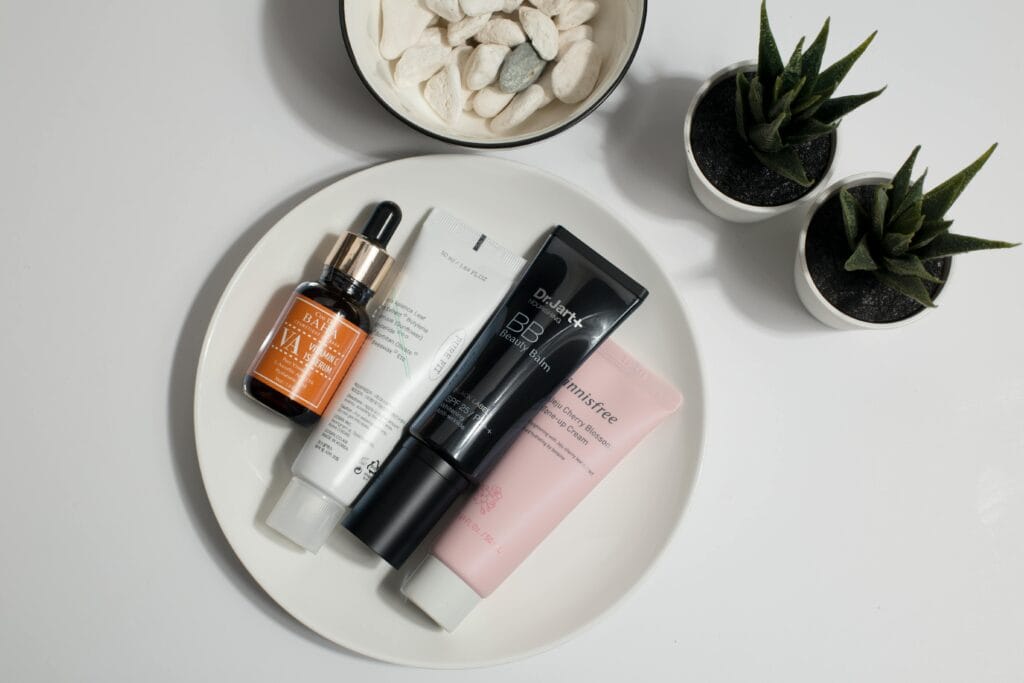
What is skincare?
Skincare is a routine of skin care practices designed to keep your skin healthy, clean, hydrated, and protected. This routine may include cleansing, moisturizing, sun protection, and in some cases, treatment products.
More than just aesthetics, skincare is also about skin health. When your skin is well cared for, it tends to become more balanced, resilient, and better-looking over time.
Beginner skincare: where should you start?
If you’re just getting started, the best path is the simplest one.
The foundation of a beginner skincare routine includes only 3 essential steps:
- Cleanser
- Moisturizer
- Sunscreen
These three products are enough to build a functional and safe skincare routine. Everything else can come later.
Quick takeaway: if you don’t know where to start with skincare, begin with a facial cleanser, moisturizer, and sunscreen.
How to identify your skin type before building a skincare routine
Before buying any product, you need to understand your skin type. This step matters because a product that works well for oily skin may not work well for dry skin, for example.
What are the main skin types?
Oily skin
Oily skin tends to produce more sebum, often looks shiny throughout the day, has more visible pores, and is more prone to blackheads and breakouts.
Dry skin
Dry skin often feels tight, flaky, dull, and uncomfortable more easily.
Combination skin
Combination skin is oily in some areas — especially the forehead, nose, and chin — and drier or more balanced on the cheeks.
Normal skin
Normal skin tends to have a good balance between oil and hydration, with a more even texture and fewer discomforts.
Sensitive skin
Sensitive skin may sting, itch, turn red, or react easily to products, weather, friction, or certain ingredients.
How to know your skin type
You can do a simple test at home:
Step-by-step
- Wash your face with a gentle facial cleanser
- Don’t apply any products
- Wait about 1 hour
- Observe how your skin feels and looks
Common signs
- Very shiny: oily skin
- Tight or flaky: dry skin
- Shiny only in the T-zone: combination skin
- Balanced and comfortable: normal skin
- Stinging or redness: sensitive skin
Knowing this will help you choose the right products from the beginning.
Beginner skincare routine: complete step-by-step
Now that you understand the basics, it’s time to learn how to build a practical routine.
Morning skincare routine
Your morning skincare routine is meant to cleanse your skin, hydrate it, and protect it from external aggressors — especially the sun.
1. Facial cleansing
The first step is washing your face with a product suited to your skin type.
Cleansing helps remove:
- sweat
- excess oil
- overnight buildup
- impurities
How to choose a facial cleanser
Look for a cleanser that is:
- gentle
- made specifically for the face
- suitable for your skin type
- comfortable after use
Avoid these mistakes
- using body soap on your face
- over-washing
- scrubbing too hard
- using harsh products
Tip: your skin should not feel “stripped” or overly tight after cleansing. That usually means it’s being dried out.
2. Facial moisturizer
Many people think oily skin doesn’t need moisturizer, but that’s a myth.
Every skin type needs hydration, including oily skin.
When skin becomes dehydrated, it may actually produce even more oil to compensate.
How to choose the best moisturizer for your skin type
For oily skin
Look for:
- gel textures
- gel-cream formulas
- lightweight products
- fast absorption
For dry skin
Look for:
- richer creams
- more nourishing formulas
- barrier-supporting ingredients
For sensitive skin
Look for:
- simple formulas
- fewer ingredients
- soothing products
For combination skin
Look for:
- lightweight moisturizers
- comfortable textures
- balanced finishes
Practical rule: the best moisturizer is the one your skin tolerates well and that you can use every day.
3. Sunscreen
If there’s one non-negotiable product in skincare, it’s sunscreen.
It helps prevent:
- dark spots
- premature aging
- sensitivity
- sun damage
- skin cancer
How to use sunscreen correctly
For sunscreen to actually work, it needs to be used properly:
- apply it every day
- use it on your face, neck, and if possible, chest area
- reapply during prolonged sun exposure
- don’t use too little
How to choose the right sunscreen
When choosing one, look for:
- SPF 30 or higher
- a comfortable texture
- a formula suited to your skin type
- a finish you actually enjoy wearing
Best sunscreen for oily skin
Look for options with:
- dry-touch finish
- lightweight texture
- less shine
Best sunscreen for dry skin
Choose formulas that are:
- more hydrating
- comfortable
- less likely to emphasize dryness
Important: the best sunscreen is the one you’ll actually wear every single day.
Night skincare routine
Your nighttime skincare routine helps remove everything that built up during the day and supports skin recovery.
Step-by-step nighttime skincare routine
1. Cleansing
At night, cleansing helps remove:
- sunscreen
- sweat
- oil
- pollution
- light makeup
If you wear heavy makeup or water-resistant sunscreen, you may benefit from double cleansing.
What is double cleansing?
Double cleansing means using:
- a first cleanser to dissolve residue (like cleansing oil, cleansing balm, or micellar water)
- then a regular facial cleanser
But keep this in mind: it’s not mandatory for everyone. For beginners, a simple routine is usually enough.
2. Moisturizer
After cleansing, apply moisturizer to help your skin maintain a healthy barrier and stay comfortable.
At night, this step matters because your skin naturally goes through repair processes while you sleep.
Correct skincare order
One of the most searched questions among beginners is:
What is the correct order of skincare products?
The general rule is to apply products from the lightest to the thickest texture.
Morning skincare order
- Cleanser
- Serum (if using one)
- Moisturizer
- Sunscreen
Night skincare order
- Makeup remover or micellar water (if needed)
- Cleanser
- Serum or treatment (if using one)
- Moisturizer
This order helps your skin absorb products more effectively.
What products should beginners use for skincare?
If you want the simple and direct answer, these are the best products to start with:
Basic skincare products
- facial cleanser
- facial moisturizer
- sunscreen
That’s it.
You do not need to begin with acids, multiple serums, or a complicated routine. The simpler your start, the more likely you are to stay consistent — and get better long-term results.
When should you add serums and active ingredients?
After using a basic skincare routine for a few weeks, you can decide whether it makes sense to add a targeted treatment product.
But there’s one important rule:
Never add too many active ingredients at once
This is one of the most common beginner skincare mistakes.
When you introduce several new products at the same time, it becomes harder to know:
- what is working
- what is causing irritation
- what your skin actually needs
Best active ingredients for beginner skincare
If you want to go beyond the basics, these are some of the most beginner-friendly ingredients.
Niacinamide
Niacinamide is a very versatile ingredient and is usually well tolerated by most skin types.
It may help with:
- excess oil
- visible pores
- redness
- uneven texture
- strengthening the skin barrier
It’s a great option if you want to start treating your skin without being too aggressive.
Hyaluronic acid
Despite the name, this is not a “harsh acid” the way many people assume.
Hyaluronic acid is a hydrating ingredient that helps the skin feel more comfortable and look healthier.
It may be useful for:
- dehydrated skin
- tightness
- extra hydration
- improving glow
Vitamin C
Vitamin C is often used in the morning and is commonly associated with brighter, more even-looking skin.
It may help with:
- dullness
- preventing dark spots
- antioxidant protection
- lack of radiance
It can be helpful, but it’s not mandatory for beginners.
Salicylic acid
This ingredient is often recommended for oily and acne-prone skin.
It may help with:
- blackheads
- pimples
- clogged pores
- excess oil
Important note
If your skin is sensitive, start slowly and use it only a few times per week at first.
Retinol
Retinol is very well known for helping with acne, texture, dark spots, and signs of aging.
But here’s an important warning:
Retinol is usually not the best first active ingredient for someone starting completely from scratch.
If used incorrectly, it can cause:
- irritation
- redness
- peeling
- sensitivity
If you’re brand new to skincare, it usually makes more sense to start with gentler ingredients.
How to start skincare without irritating your skin
If you want to avoid reactions, follow these simple rules.
1. Introduce one new product at a time
This is one of the most important skincare habits for beginners.
That way, you can tell:
- whether the product works
- whether your skin tolerates it
- whether it caused irritation
2. Start slowly
If the product is more potent, begin with:
- 2 times per week
- then 3 times per week
- and increase gradually if your skin handles it well
3. Do a patch test
Before using a new product all over your face, test it on a small area first.
This is especially important if you have sensitive skin.
Most common beginner skincare mistakes
Avoiding mistakes is just as important as choosing good products.
1. Buying too many products at once
More products do not mean a better routine. In practice, this often leads to irritation and wasted money.
2. Expecting fast results
Skincare is not magic. Your skin needs time to respond.
3. Changing products every week
Without consistency, it’s hard to know what actually works.
4. Skipping sunscreen
This is one of the biggest mistakes you can make in any skincare routine.
5. Using harsh products and assuming irritation means results
Burning, redness, and peeling do not always mean a product is “working.” Often, it just means your skin is irritated.
6. Copying someone else’s routine
What works for someone online may not work for your skin.
How long does skincare take to work?
This is one of the most searched beginner skincare questions.
The realistic answer is: it depends on your goal and your consistency.
In general, results may show up like this:
- hydration and comfort: within a few days
- oil control: within a few weeks
- texture improvement: within a few weeks
- dark spots and acne: may take longer
- deeper results: require consistency
What delays results the most is often not the product — it’s inconsistency.
Does affordable skincare work?
Yes, it does.
You do not need to spend a lot of money to take good care of your skin. What actually matters is:
- using the right products for your skin
- sticking to a consistent routine
- avoiding unnecessary excess
- protecting your skin from the sun
A simple routine done well usually works better than an expensive routine done poorly.
Simple beginner skincare routine
If you want a practical version you can save, use this:
Morning skincare
- facial cleanser
- moisturizer
- sunscreen
Night skincare
- facial cleanser
- moisturizer
This is the ideal base for anyone just getting started.
How to safely upgrade your skincare routine
Once your skin has adjusted to the basics, you can personalize your routine more thoughtfully.
Phase 1: first 30 days
Focus on:
- cleansing
- moisturizing
- protecting
Phase 2: after your skin adjusts
If everything is going well, you can add 1 treatment ingredient, such as:
- niacinamide
- hyaluronic acid
- vitamin C
- salicylic acid (if it suits your skin)
Phase 3: more personalized skincare
Over time, you’ll better understand:
- what your skin needs
- what it doesn’t tolerate
- what is actually worth keeping
That’s a much smarter approach than blindly following trends.
When should you see a dermatologist?
Not everything can be solved with skincare alone.
You should consider seeing a dermatologist if you have:
- inflamed or persistent acne
- worsening dark spots
- rosacea
- dermatitis
- frequent allergic reactions
- intense burning or discomfort
- severe sensitivity
- questions about stronger treatments
In some cases, the best skincare decision is not buying more products — it’s getting professional guidance.
How to start skincare the right way
If you’ve been wondering how to start skincare, the most honest answer is: start simple and stay consistent.
You do not need a perfect routine. You need a realistic one.
For most people, a strong starting point is:
- cleanse
- moisturize
- wear sunscreen every day
That’s the kind of skincare that actually works: simple, smart, and sustainable over time.
FAQ – Frequently asked questions about beginner skincare
1. What is the correct skincare order?
The basic order is: cleanser, treatment (if any), moisturizer, and sunscreen in the morning. At night, the routine usually ends with moisturizer.
2. How many products do I need to start skincare?
Only 3 products:
- facial cleanser
- moisturizer
- sunscreen
3. Does oily skin need moisturizer?
Yes. Oily skin also needs hydration.
4. Can I start skincare with acids?
You can, but it’s not ideal for every beginner. In most cases, it’s better to build a solid basic routine first.
5. How long does skincare take to work?
It depends on your skin and your goal, but results usually appear with consistent use over several weeks.
6. What is the most important skincare product?
If one product stands out above all others, it’s sunscreen.
Beginner skincare in 30 seconds
If you want to start today, do this:
Morning
- wash your face
- moisturize
- apply sunscreen
Night
- wash your face
- moisturize
Then, over time, you can decide whether it makes sense to add other products.